The AIR CRE is the premier multiple listing service for industrial real estate such as warehouses and manufacturing buildings in Southern California. Whether you are a buyer or tenant or landlord or seller, this MLS is the service that all the top-tier brokers primarily use. It services industrial, office, retail, and other commercial real estate listings.
There are over 33,000 listings in the system for SoCal. And there are over 1,600 members in SoCal. So if you seek to search or list for sale or lease a warehouse or other commercial property in Los Angeles, Orange, San Bernardino, Riverside or Ventura counties, contact us as we are members of this MLS.
LoopNet, which is owned by Costar, is a second-tier MLS that we also use but it’s data pales in comparison to the AIR CRE and top firms mainly use it as a secondary marketing tool but don’t always put their listings there. The most active and major Los Angeles commercial real estate brokers use the AIR CRE, which is member owned and created in 1960.
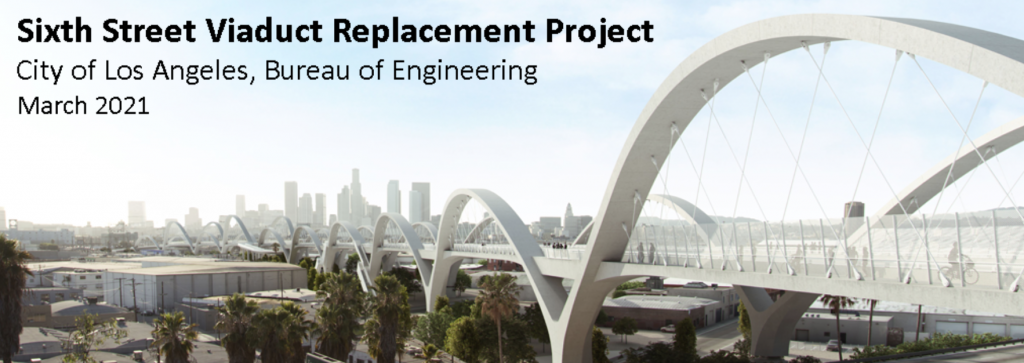
The City of Los Angeles Bureau of Engineering is leading the construction of the new, $588 million Sixth Street Viaduct Replacement Project, the largest bridge project in the history of Los Angeles. The completed structure will be a 3,500-foot long viaduct connecting Boyle Heights and the Arts District across the Los Angeles River. The original viaduct was built in 1932, but had significantly deteriorated due to “concrete cancer”; it was demolished in 2016. The new viaduct will have ten pairs of lit arches, bike lanes and wider sidewalks, along with stairway access and bike ramps connecting to 12 acres of recreational and open space under the bridge, including the Len Hill Plaza. The bridge is funded primarily through the Federal Highway Administration, with additional City support. The viaduct will be completed in Summer 2022
Constructed in 1932, the original Sixth Street Viaduct (also known as the Sixth Street Bridge), was an important engineering landmark in the City of Los Angeles. It was one of a set of fourteen historic structures crossing the Los Angeles River, and the longest of these structures.
Due to its large size, the original Sixth Street Viaduct was constructed using an onsite concrete mixing plant. Unfortunately, the aggregate used in the concrete caused a chemical reaction known as Alkali Silica Reaction, which caused deterioration of the concrete structure within 20 years of its completion. The total project replacement cost is $488 million, making it the largest bridge project in the history of Los Angeles.
Located in a highly urbanized area just east of downtown Los Angeles, the original bridge acted as a critical transportation link between the neighborhoods of the Arts District on the west side and Boyle Heights on the east side.
The original viaduct was demolished in 2016. The new viaduct is scheduled for completion in 2022.
The 6th Street PARC is scheduled for completion in 2024 where there will be 12-acres of open and recreational space under the viaduct, including access to the LA River, an arts plaza, public art and numerous community amenities.
Amid exclamations like “I am going to be so happy to see the bridge completed!”, the most common questions on social media were about pedestrian and bike lanes and general accessibility. The wide and separate sidewalks and bicycle lanes planned for both sides of the bridge met with high praise. https://www.sixthstreetviaduct.org
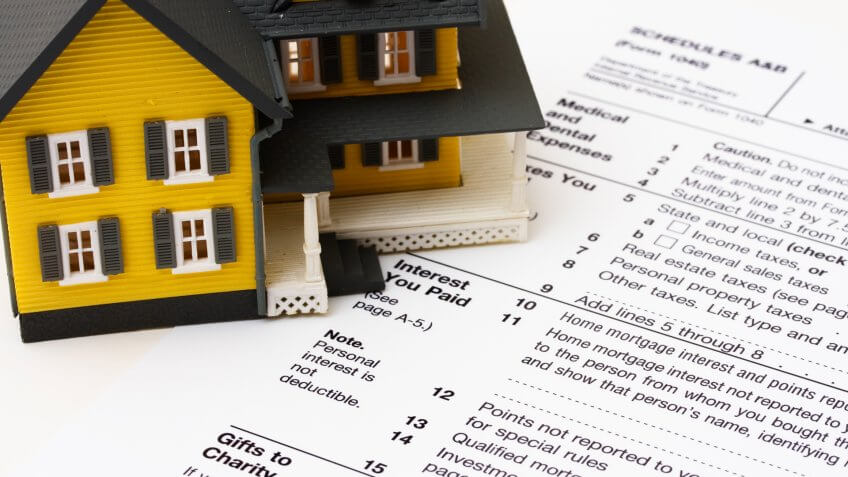
The below paragraphs are excerpted from “Economic Trends in California Real Estate: Realty Almanac 2018-2020“. It describes the mortgage interest deduction origin, whether buyer or seller reaps the benefit, and the fiscal impact upon the national treasury. After reading it you may come to agree with my view that this deduction should be phased out and the $70 billion in lost tax revenue could then be applied towards balancing the budget.
Interest deductions took root in the late 19th century. The first federal income tax was established in 1894 and all forms of interest were deductible. However, homeownership was not what motivated Congress to enact such a policy. An interest deduction was viewed primarily as a business situation. Most people at that time in history paid cash for their homes (as is the case today in countries with less sophisticated financial systems). Mortgages were generally only taken out by farmers or investors.
Not until the 1950s did the home mortgage gain anything close to its current significance. Since then, the home mortgage has become the common concern of the housing industry. Without a mortgage, most tenants wait until they accumulate savings equal to the price. The tax deductions and exclusions are now considered entitlements for those homebuyers who need to borrow and for those homeowners who sell.
The true tax benefits to the taxpayer of interest rate deductions for buying and owning a home were lost long ago. They were arbitraged away by increased home pricing and interest rates. Thus, the benefits are passed on to the seller (increased price) and the lender (interest and charges on increased principal). The howl today by industry insiders is that prices will drop if the deductions go away: exactly the evidence that subsidies go to the seller and the lender, not the buyer/owner.
The interest deduction loophole costs the Department of Treasury over $70 billion in lost tax revenue annually, to the benefit of sellers and lenders received indirectly via the buyer. However, the majority of debt- encumbered homeowners don’t see much for it, except for the wealthier among them. Only half of the tax filers who are homeowners are able to claim the deduction. Usually, they receive less than $2,000 in reduced tax liability (the rest have no mortgages and thus no risk of loss).
More than 50% of the federal tax benefit is taken by those few homeowners with incomes exceeding $100,000. It is fair to say those wealthier homeowners have the least need for a subsidy as an inducement to buy a home, since they are financially capable and most likely to purchase anyway.