Arts District of DTLA

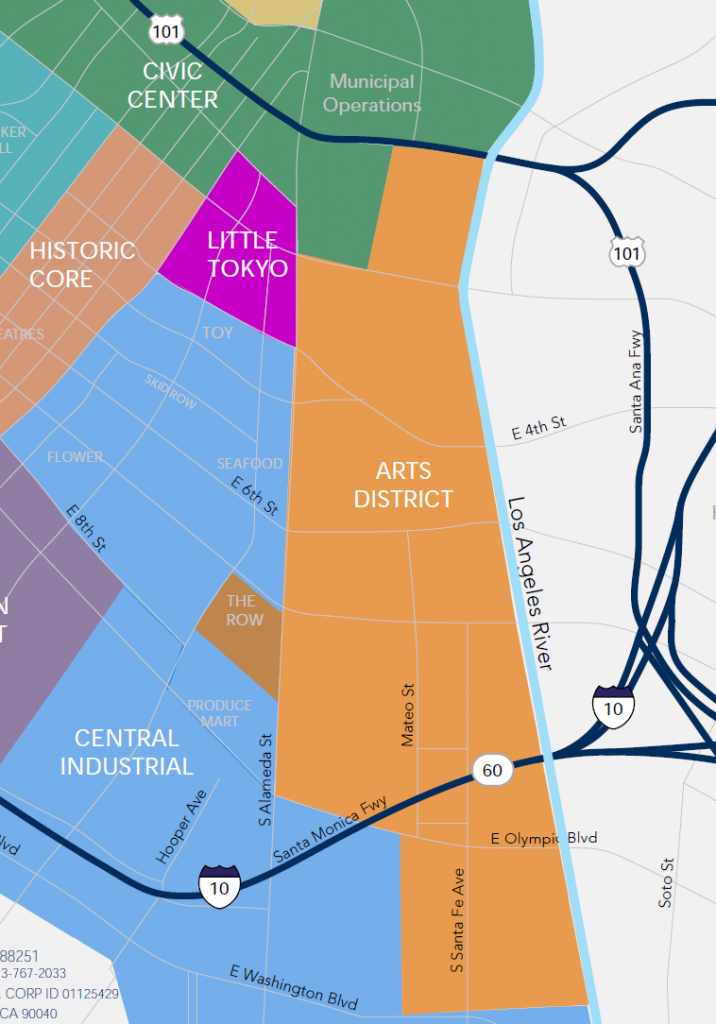
Historically, the Arts District was home to industrial users who manufactured, distributed, and warehoused goods ranging from toys to frozen fish. Over time, the multi-story industrial buildings became antiquated and functionally obsolete – they began transitioning to lofts and studios for artists during the 1970’s.

Then in 1981 the Artist-In-Residence ordinance was passed by the city and it legalized the use of industrial buildings as work/live spaces for artists. During the 1990’s the area petitioned to be officially recognized as a city neighborhood called the “Arts District”.
This image has an empty alt attribute; its file name is image-4-716x1024.png

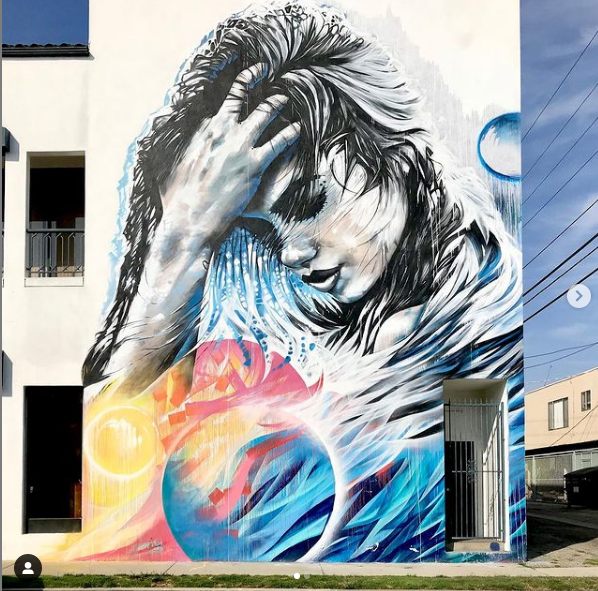
About a decade ago, developers started converting the former warehouses into live/work lofts – starting with Barker Block Lofts, Toy Factory Lofts, and Biscuit Company Lofts. These projects helped spark a renewed interest in the Arts District, and the retailers have followed suit. Award-winning restaurants, designer apparel brands, and a multitude of breweries and cozy coffee shops make this neighborhood of mural-splashed warehouses truly unique.

The Arts District has also become a hotbed of residential and mixed-use development, with projects aimed at luring new residents to the live-work-play atmosphere of the area. The real estate players in area have shifted from private/local investors to developers with institutional funding, such as Shorenstein, Tishman Speyer, Hudson Pacific, etc. Office tenants are also vying to call this neighborhood home – Warner music Group, Adidas, Spotify and more will soon be settling into their world-class creative office spaces.

Although the landscape of the Arts District is changing dramatically, the intent of the developers and the local community is to keep the integrity, character, culture, and aesthetics intact for the most unique district of Downtown Los Angeles.

VItal Property Stats – The Past Decade

If you want to get a quick feel for the strength of the Central Los Angeles Industrial submarket, then glance at the below chart. It shows the 3 key metrics over the past decade.

The vital property statistic that I focus on the most is our low vacancy rate at just under 4%. The Southern California industrial real estate market has generally had the lowest vacancy rate in the United States over the past decade. Why? Because demand from tenants and buyers is very strong and we are an infill market given we have run out of vacant land to construct new buildings.

Here are the definitions of the other two metrics in the chart. For a complete list of commercial real estate terms defined please see our Glossary.

Net Absorption: The square feet leased in a specific geographic area over a fixed period-of-time after deducting space vacated in the same area during the same period.

Net Deliveries: The square feet of new construction delivered to the market minus any buildings that were demolished.

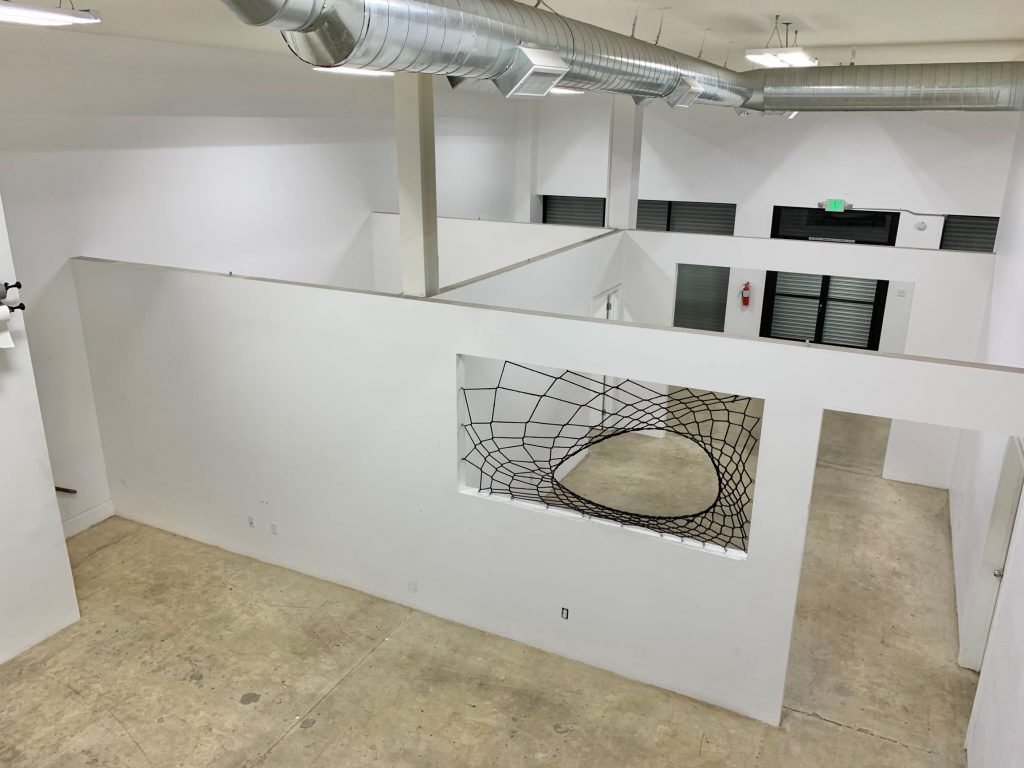
7,450 SF DTLA Creative Warehouse

7,450 SF Warehouse For Lease, DTLA

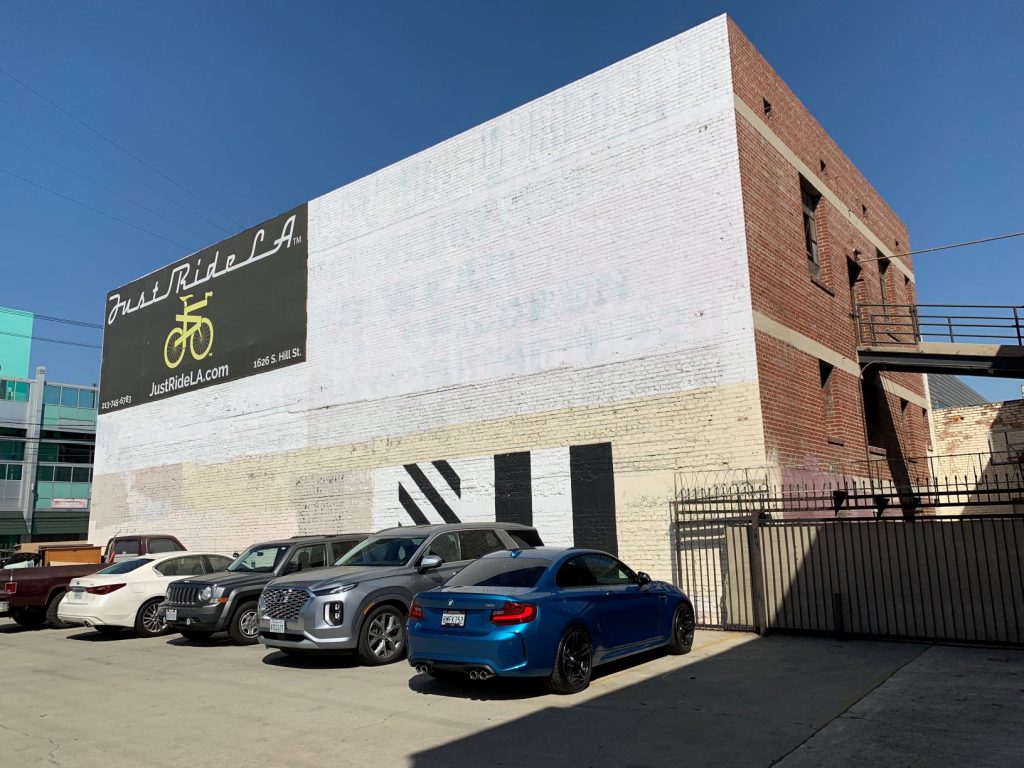
Classic Brick Building with fenced parking lot. DTLA

■ Great Creative Studio/Warehouse Space
■ Classic Brick Building, Constructed 1968
■ Fenced Parking
■ 1st Floor: Previously an Art Gallery, Air Conditioned
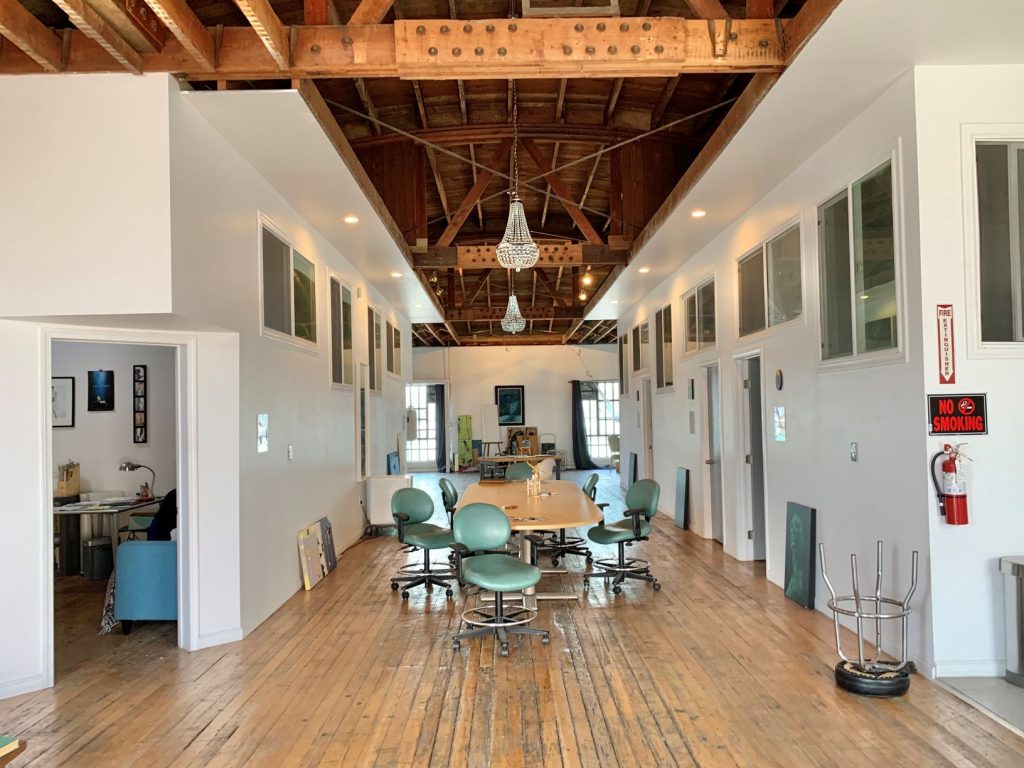
■ 2nd Floor: Beautiful Wood Floors & Bow-Truss Roof
■ Only one block from 10 Freeway Onramp
■ Fashion District Near South Park, Historic Core, & Arts District

3-5 year lease term. $1.50/SF/mo. Marketing brochure package. The larger property can be made for sale for a buyer.

First floor was previously an art gallery and can be used as creative space or warehouse.

Beautiful upstairs with wood floors and bow-truss ceiling, natural lighting from windows.